

Bengaluru
Highlights
- 72% of gated communities reported frequently encountering issues during the move-in/move-out process, indicating it is a recurring problem for many communities.
- The most common issues cited were incomplete documentation (68%), unapproved moving timings (64%), and unpaid dues (60%).
- 60% of RWAs prefer addressing these issues through direct communication with residents, while smaller portions use fines (16%) or verbal warnings (16%).
- In terms of scheduling, 48% prefer flexible scheduling with prior notice, but 36% enforce pre-approved time slots to manage moves effectively.
- A minority of 12% have no specific policy in place, while another 12% allow residents to move anytime without restrictions.
- The data reflects a need for more structured policies to manage the move-in/move-out process, with communication and documentation being areas of improvement.
Managing the move-in and move-out process is one of the most challenging, yet crucial, aspects of housing society management. Often overlooked until a problem arises, this plays a vital role in maintaining order and harmony in any residential community.
Recently, a Mygate survey took a closer look at the challenges faced during move-ins and move-outs, revealing just how common these issues are. The findings show that 72% of respondents reported encountering frequent problems, proving this isn’t just an occasional hiccup but a widespread concern. Challenges such as incomplete documentation, unapproved moving timings, and unpaid dues surfaced as the most frequent causes of concern for both residents and RWAs. Sunita Gupta, an RWA treasurer from Delhi, described how these situations affect the community: “Movers often show up at odd hours, or residents leave without clearing their dues, causing tension among other residents.”
One of the most significant issues, according to 68% of respondents, is incomplete documentation. The lack of proper paperwork can lead to delays and frustration. Ajay Mehra, a resident from Bangalore, recalled his experience: “When I moved in, the delay in getting security clearance was frustrating because the paperwork wasn’t properly communicated to the gate staff.” This common oversight often results in unnecessary delays, leading to dissatisfaction for both new residents and the admin staff handling the process.
The survey also highlighted the challenge of unapproved moving timings, with 64% of respondents citing this as a major problem. It’s not just about a minor inconvenience; unplanned move-outs can disrupt the peace of the entire community. Residents from Mumbai and Hyderabad RWAs shared similar experiences: “We once had a resident move out at 5 a.m., causing a lot of noise and waking up neighbours,” said one admin. Unapproved moving times not only disturb the tranquillity of a housing society but can also lead to complaints and friction among neighbours.
Financial concerns also rank high on the list of issues, with 60% of respondents mentioning unpaid dues as a recurring problem. Residents moving out without settling their financial obligations can leave societies in difficult situations. Shalini Desai, an admin from Pune, voiced her concerns: “Making sure residents pay their dues before moving out is always a challenge. If not handled properly, it can lead to financial complications for the society.” This is why clear and enforceable procedures need to be in place for managing such situations.
While many societies handle move-ins and move-outs on a flexible basis, 36% of respondents expressed a preference for pre-approved time slots. A structured approach minimizes disturbances and ensures smooth coordination during busy moving periods. “Since introducing pre-approved time slots and better documentation checks, we’ve seen a noticeable drop in resident dissatisfaction during peak move-in seasons,” shared the RWA head of a society in Bengaluru.
Managing move-ins and move-outs is often a delicate balancing act for gated communities. Incomplete paperwork, unapproved timings, and unpaid dues remain recurring issues, as highlighted in the survey, fueling ongoing debates about the best way to handle these challenges effectively.
Highlights
- A significant 83% of gated communities expressed a supportive stance on the installation of EV charging stations within their communities.
- Safety concerns emerged as the most cited reason for resistance, closely followed by the additional financial burden that such installations might impose.
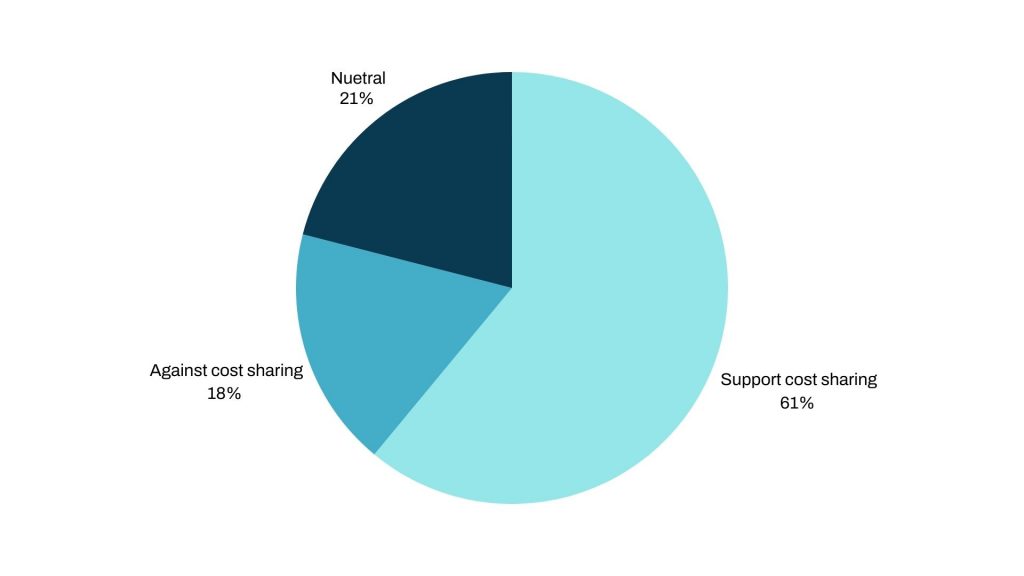
- 61% felt that all residents should share the cost of EV charging infrastructure, while 18% believed it should depend on the number of EV users.
- A majority of 81% of communites were against charging EV owners a higher maintenance fee, favoring equitable treatment across the community.
- The responses indicate a general openness to EV infrastructure but also highlight concerns that need to be addressed to ensure broad acceptance.
The need for easily accessible charging infrastructure has increased due to the rise in popularity of electric cars (EVs). Gated communities, with their controlled environments and dedicated parking spaces, offer an ideal setting for installing EV charging stations. However, implementing this kind of infrastructure may be difficult.
A recent survey by Mygate highlights the varying attitudes of communities towards this transition.Notably, 83% of resident welfare associations (RWAs) either supported or were neutral about installing EV charging stations within their communities while others voiced resistance due to concerns about infrastructure changes, safety, and space allocation. However Shweta, from Noida shared her enthusiasm, stating, “I’m very much interested in going green. EV charging installation is a step forward for our community, and it’s something I’ve been looking forward to.”
Resistance often comes from worries about how EV charging stations might shake up the existing setup and the safety risks they could bring. Plus, there’s the classic debate on whether we should all chip in for the costs or if EV owners should foot the bill—matter that requires careful consideration by everyone involved.
There’s also a split in opinion regarding cost distribution. Results say 61% of communities felt that all residents should share the cost of EV charging infrastructure, while 18% believed it should depend on the number of EV users. Anita from Mumbai expressed, “I think it’s only fair that everyone contributes since the infrastructure benefits the entire community, not just the EV owners.” However, her neighbor Sunil countered saying “It makes sense for EV users to bear the cost since they’re the ones directly benefiting from the charging stations.”
Mygate Locks allow you to monitor and control your door’s status from anywhere using your smartphone. Whether you’re at work, traveling, or just out for the evening, you can lock or unlock your door remotely, ensuring your home is always secure, even when you’re not there. With the Mygate Lock Pro you can go a step further and check the real-time door status, whether the door has been left closed or ajar.
Moreover, while integrating EV charging infrastructure in gated communities presents challenges, it also brings significant benefits. Embracing this change proactively can position communities as leaders in sustainability and enhance their appeal to future residents.
Highlights
- 51% of respondents acknowledge conflicts within their societies, with 14.4% reporting frequent conflicts and 34.6% experiencing them occasionally.
- Non-compliance with community guidelines (32.3%) and defaulted payments (24.7%) are the primary causes of conflicts.
- Among communities without owner-tenant conflicts, 76.9% of respondents attribute the absence of disputes to effective management and community engagement.
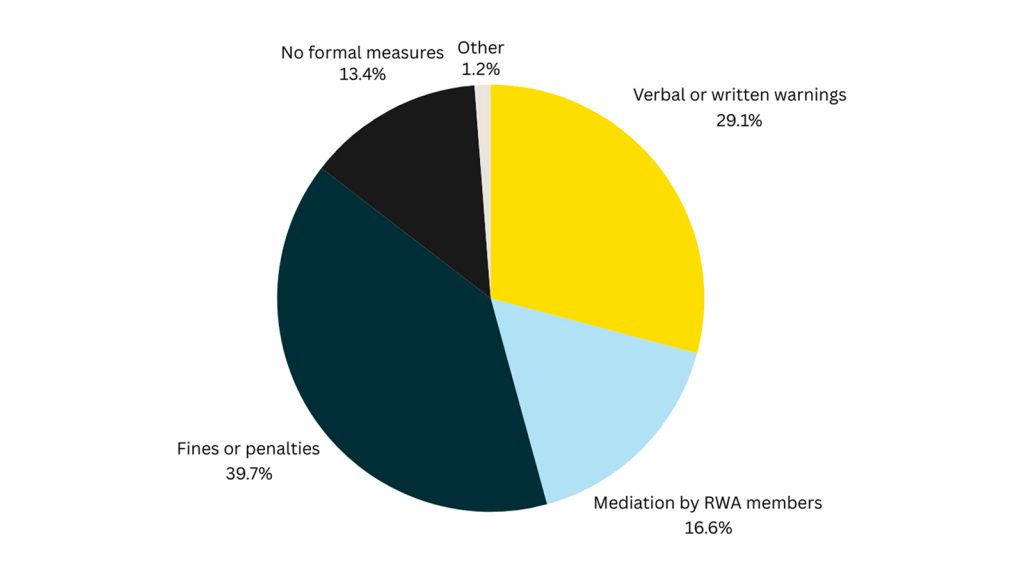
- Fines or penalties (39.7%) and verbal or written warnings (29.1%) are the most common measures used to combat issues.
- 13.4% of respondents have remarked that no formal measures have been implemented for conflict resolution.
- Over half (59.4%) of RWAs have separate guidelines for tenants, with 22.8% admitting that these guidelines aren’t strictly enforced.
- 52.9% of respondents state that tenants do not enjoy equal voting rights compared to homeowners, while only 38.2% affirm that tenants have equal voting rights.
Managing a residential community presents unique challenges, particularly in maintaining harmonious relationships between owners and tenants. A recent nationwide survey conducted among RWA members provides revealing insights into owner-tenant dynamics, conflict resolution, and community governance, uncovering the often-overlooked tensions that simmer beneath the surface.
“Conflicts with tenants are a real headache. They disrupt the peace and harmony we’ve worked so hard to maintain,” says Priya Sharma, an RWA member from Bengaluru. Her sentiment echoes across numerous communities, with the survey revealing that 51% of respondents acknowledge conflicts within their societies. While 14.4% report frequent conflicts, 34.6% experience them occasionally. The primary culprits? Non-compliance with community guidelines (32.3%) and defaulted payments (24.7%), followed by inter-resident disputes and the misuse of amenities.
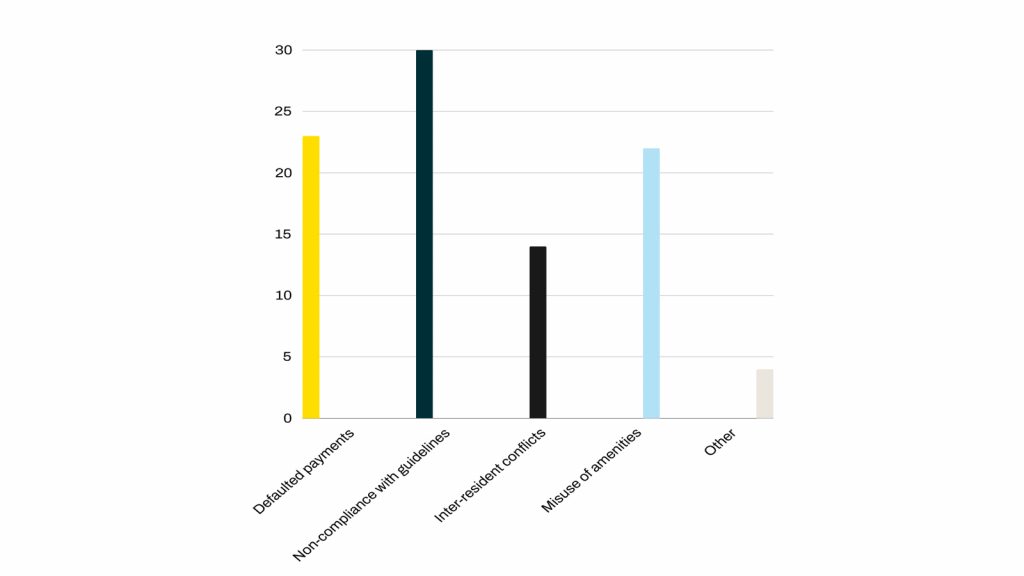
“Sometimes it feels like we’re playing referee in a never-ending match,” laments Rajesh Nair, an RWA president from Mumbai. Yet, intriguingly, among communities without owner-tenant conflicts, 76.9% of respondents said the absence of disputes wasn’t due to a lack of tenants. This suggests that factors such as effective management and community engagement are pivotal in maintaining peace.
However many RWAs have turned to strict measures in place to combat the issues, fines or penalties (39.7%) and verbal or written warnings (29.1%) being the most common. Structured strategies such as these provide a path to manage disputes effectively. Among respondents, 13.4% have remarked that no formal measures have been implemented. “We often rely on ad-hoc solutions, which are neither fair nor effective,” admits Meera Joshi from Pune.
Regarding tenant guidelines, over half (59.4%) have separate guidelines in place, with 22.8% admitting that these aren’t strictly enforced. “Without stringent rules in place, misunderstandings are inevitable,” says Anil Verma, a resident from Chennai. Establishing clear guidelines could help reduce conflicts and foster community cohesion.
The survey also uncovers disparities in voting rights, with 52.9% of respondents stating tenants do not enjoy equal voting rights compared to homeowners. Only 38.2% affirm that tenants have equal voting rights, while 8.8% note variations depending on the poll.
The findings highlight the effectiveness of clearer guidelines, efficient conflict resolution, and equitable governance to foster harmonious and inclusive living environments. By addressing these areas, RWAs can enhance the overall living experience within their communities, ensuring peace and stability for both owners and tenants.
The treasurer of a Resident Welfare Association (RWA) holds a pivotal position, entrusted with the management of the community’s collective funds. This role demands meticulous attention to detail and a deep understanding of financial regulations. Unlike other RWA board members, the treasurer is responsible for handling substantial sums of money. This involves a wide range of tasks, from timely invoice generation and debt collection to budgeting and bank account management.
To make things simpler to manage, following a few ground rules usually helps.
In this blog, we are going to talk about those basic ground rules, and that is about the number of RWA bank accounts you should have for managing your Community funds.
Managing RWA Finances: Streamlining Bank Accounts
When taking charge of supervising the finances of a Resident Welfare Association (RWA) as a Treasurer, Board Member, or Community Manager, the first question you should ask is:
How many bank accounts does the Association hold?
Ideally, the answer should be no more than 1-3 per Association.
If your Association feels that multiple bank accounts are necessary, there should be a compelling reason for it. Managing numerous RWA bank accounts can be challenging and inefficient. Here are key considerations for maintaining multiple bank accounts:
- Structuring of Operating Fund and Reserve Fund
- Possible Diversification against Bank Defaults
Typically, you can manage with just two RWA bank accounts:
- Operating Account: This account handles the day-to-day operations and expenses of the homeowners association or RWA.
- Reserve Fund Account: This account is for the community’s savings, used for large future projects or unexpected major expenses (e.g., building painting, new play area construction, significant repairs due to natural calamities).
Some RWAs end up opening multiple bank accounts to manage various segments, such as different types of reserve fund requirements or different operating expenses. Additionally, some may open multiple accounts to take advantage of various benefits or offers from banks. However, creating too many segments can lead to complications in managing the accounts. It’s best to keep things simple and streamlined with just two accounts unless there are strong reasons for more.
Challenges of Multiple RWA Bank Accounts
Maintaining multiple bank accounts for an RWA can introduce several complexities:
- Increased Administrative Burden: Each account requires regular reconciliation with financial records, a time-consuming process even for inactive accounts.
- Operational Challenges: Whenever the RWA board changes, updating signatory details across multiple accounts can be cumbersome and error-prone. Overlooking a single account can freeze its funds.
- Potential for Misuse: Less frequently used accounts may receive less scrutiny, increasing the risk of financial irregularities.
So, the first day in office for a Treasurer should be to take stock of the Bank Accounts! Sunset redundant Bank Accounts, and ensure any new Bank Account opening follows a Due Diligence process – Passing a Board Resolution is just one of them.
Bengaluru’s water problems are no secret. Over the years, the city’s seen more and more contaminated sources, leading to a spike in waterborne diseases. Gated communities, which make up a major chunk of the city’s water demand, can actually play a huge role in tackling this.
Rainwater harvesting (RWH) is more than just an eco-friendly initiative. It offers practical, long-term benefits for both residents and the city at large. These include:
-
Reducing collection and distribution costs
-
Improving water quality, especially in areas with poor groundwater
-
Minimising urban flooding and controlling non-point source pollution
-
Extending the lifespan of home appliances by reducing scale build-up
-
Cutting down water bills
-
Ensuring water availability during summer shortages.
Recognising these advantages, the Bangalore Water Supply and Sewerage Board (BWSSB) has outlined specific guidelines for housing societies to set up efficient RWH systems. Here’s a clear breakdown of what you need to know.
Standard setup requirements
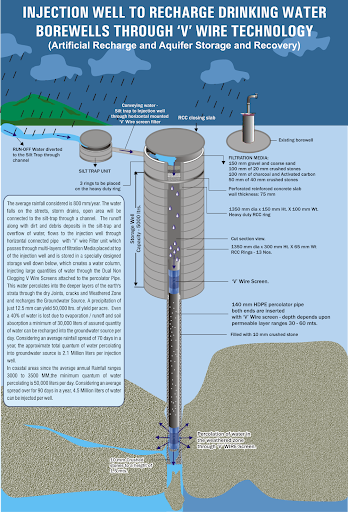
For effective rainwater harvesting, BWSSB recommends a combination of storage and recharge methods. The guidelines are as follows:
-
For rooftop areas, provide a storage/recharge capacity of 60 litres per square metre.
-
For paved open spaces, allocate 30 litres per square metre.
Recharge wells should be at least 3 metres deep and 0.9 metres in diameter. It’s important to keep these wells open—avoid filling them with jelly or sand. Instead, use RCC rings layered with different sizes of jelly (40 mm to 6 mm) to support effective water infiltration.
Core components of a rainwater harvesting system
1. Catchment surface
The rooftop and open areas of your society serve as the primary catchment. Water quality will depend on roof material and nearby surroundings. Sloped roofs should be fitted with gutters and downpipes to guide water efficiently into the storage tank.
2. Gutters and downpipes
Gutters, typically made of PVC, vinyl, or aluminium, collect rainwater from the roof. They should be slightly sloped so that water flows towards downpipes. Downpipes usually 75–110 mm PVC carry this water to the storage tank. In RCC buildings, these components are often integrated into the existing drainage infrastructure.
3. Storage rank
This is the most critical and most expensive part of the system. The tank size should match the catchment area, rainfall pattern, and projected usage. Durability and accessibility for cleaning are important factors in choosing the right tank.
4. Filtration system
A filtration unit removes physical impurities. Sand bed filters are commonly used, incorporating layers of sand, charcoal, gravel, and pebbles.
-
Wall-mounted filters work for rooftop areas up to 250 sq. m. For larger catchments, multiple units may be needed.
-
A first-rain separator is essential for rooftops above 500 sq. m. It captures the first 1 mm of rainfall, usually the most contaminated, and stores it separately. A bypass valve allows residents to choose when or whether to harvest water during heavy rains.
Bengaluru often experiences rainfall intensities of up to 60 mm/hour, so the filtration system must be designed to handle this flow rate. Use filter materials like coarse sand, charcoal, and varying sizes of jelly stones, depending on your water quality requirements.
5. Delivery system
Once filtered, water must be channelled efficiently through pipes to the intended storage or distribution point. These pipes should be regularly checked for leaks and cleaned to maintain a consistent supply.
6. Water testing and treatment
Although rainwater appears clean, it’s essential to test it periodically, especially if it is intended for potable use. Treat the water using appropriate methods based on test results to ensure safety.
Ongoing maintenance guidelines
Maintenance plays a crucial role in the long-term success of your rainwater harvesting system. Here are the key practices to follow:
- Keep rooftops and nearby areas free of debris. Do not let scrap materials or detergent-rich water enter drains.
- Use perforated RCC slabs over drains for easy access and cleaning.
- Display signage within the society to raise awareness and promote good practices.
- Train support staff to maintain filters, clean drains, and manage recharge wells.
- Clear silt and debris from filter beds regularly.
- Ensure domestic wastewater does not mix with the recharge system.
RWH for paved areas
Most housing societies prefer paved surfaces for ease of access and maintenance. However, conventional paving can hinder water absorption. To allow for infiltration:
-
Use porous pavements made with coarse aggregate.
-
Lay a geotextile fabric beneath the paving to direct water into the soil.
-
Opt for pre-cast tiles with holes, set on a sand base, to allow water to seep through.
The role of green cover
Incorporating greenery into your society’s landscape can significantly enhance rainwater absorption. Plant native trees at varying heights to slow down rain impact, improve water retention, and prevent soil erosion. Leaf litter also enriches the soil with humus, aiding moisture retention. A strong green cover complements your RWH system naturally.
To dive deeper into each specification and ensure your society meets all BWSSB standards, check out the downloadable PDF.
The Karnataka Cooperative Societies Act (1959) has written the model bylaws that pertain to cooperative housing societies.
Bylaws benefit residents and Resident Welfare Associations by ensuring orderly and harmonious community living.
These regulations establish clear guidelines for property use, setbacks, and green spaces, contributing to a well-planned environment that enhances the neighborhood’s aesthetic appeal. By promoting these standards, bylaws help maintain property values and ensure that developments complement the existing community fabric. They also provide a framework for resolving disputes related to land use and property boundaries, fostering a peaceful and cohesive community atmosphere.