

As heatwaves grip our cities and exacerbate water shortages, the monsoon’s arrival becomes a critical opportunity for gated communities to fortify themselves against unpredictable weather patterns. Embracing rainwater harvesting not only conserves water but also enhances sustainability in the face of climate change challenges.
Why gated communities have an edge?
In gated societies, collective action can achieve significant feats, especially when it comes to rainwater harvesting. The expansive roof areas in these communities offer a vast potential for water collection.
10 Effective ways to harvest rainwater in your housing society
1. Gutters & downspouts

Gutters are essential for rainwater harvesting. Install them along your building’s roof to collect rainwater efficiently. Downspouts direct water to storage systems or gardens, enhancing water conservation and landscaping.
2. Rain barrels
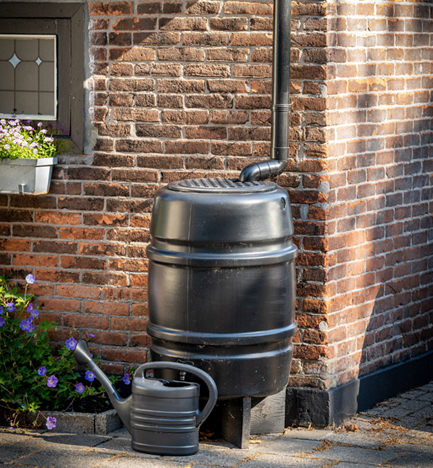
Utilize rain barrels, large containers that collect rainwater directly from roof gutters. These can be customized with covers and taps, providing a simple and cost-effective way to store rainwater for various household uses.
3. Water tanks

Install water tanks in gated communities with substantial roof areas. Tanks can store thousands of litres of rainwater, either above ground or underground, made from materials like plastic or concrete. Proper placement on firm ground ensures durability.
4. Create a rain garden
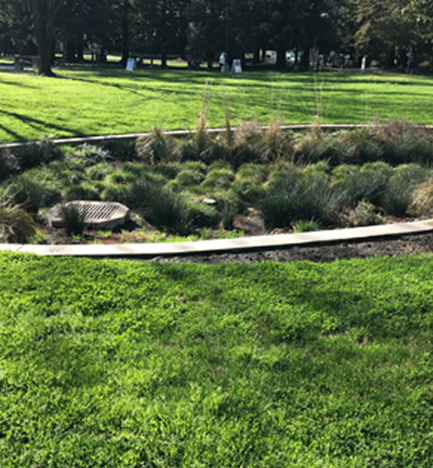
Construct a rain garden in your yard using native plants and soil. This eco-friendly landscaping technique filters rainwater naturally, allowing it to replenish groundwater while enhancing the aesthetic and ecological value of your garden.
5. Rain saucer
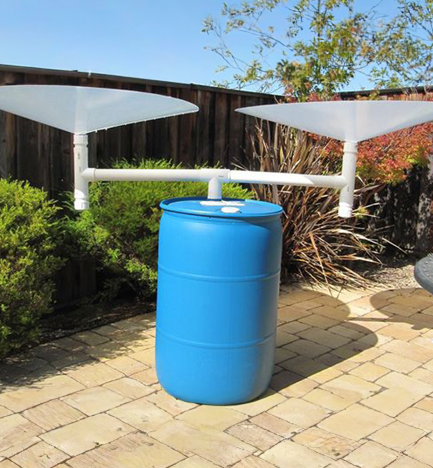
Ideal for rural areas or farms, a rain saucer collects rainwater independently of roof structures. Using a drum and a saucer-like funnel mechanism, this DIY project efficiently gathers water during the rainy season.
6. Green roof systems

Green roofs, or living roofs, use plantings to slow stormwater runoff and filter rainwater. Install a liner and drainage system to manage excess water, supporting low-maintenance plants that thrive in rooftop environments.
7. Rain reservoir
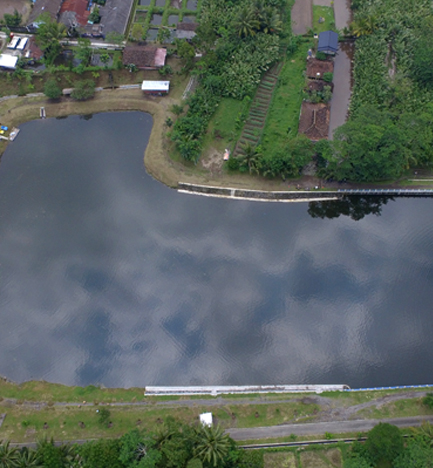
Capture rainwater from rooftops using a slanted or level surface connected to a conduit leading to a storage tank. This stored water can be used for washing vehicles, irrigating gardens, and reducing reliance on groundwater.
8. Dry system
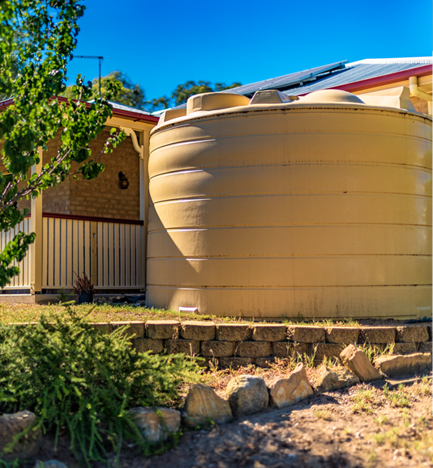
Enhance rain barrel systems with a dry system design, maximizing storage capacity by directly feeding rainwater into the tank through a collecting pipe. This affordable and low-maintenance approach effectively conserves water resources.
9. Recharge pits
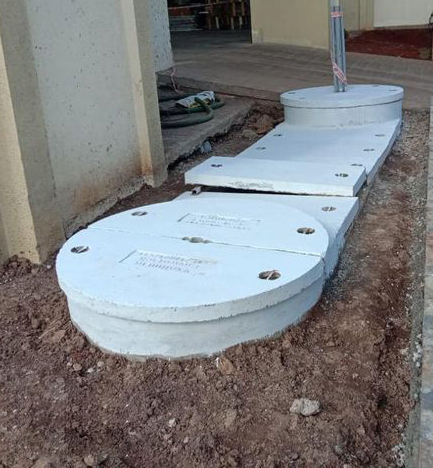
Replenish aquifers and groundwater levels with recharge pits—artificial chambers designed to facilitate rainwater percolation back into the water table. Strategically placed around water-bearing formations, these pits sustainably restore local water resources.
10. Create your own rain chain

Replace conventional downspouts with decorative rain chains. These visually appealing alternatives guide rainwater from roof gutters to drains or storage containers, minimizing runoff and adding aesthetic value to your property.
The Mygate Premium subscription plan gives you an ad-free Mygate experience. You can choose from a monthly or a yearly subscription of the plan.
You can upgrade to the Premium Plan through the app by following these steps:
Settings > Know more about your society plan > Upgrade to premium
Frequently Asked Questions
Q1. How do I, as a resident, pay for the Premium Subscription?
You can pay through App Store/Playstore. Payment rules on App Store/Playstore will apply to the payment made for the Mygate subscription.
Q2. What are the benefits of Premium Subscription?
a. Enjoy an ad-free Mygate experience on the Mygate App.
b. Approval Entry notifications directly from the Mygate Notification
c. Apple watch users will have support to approve entry requests from the Apple Watch.
Q3. What if my flat is Premium, will I need to get a subscription?
No, if your flat is premium, you will directly qualify for an Ad-free experience.
Q4. Who will the Premium Subscription apply to?
The account through which the payment has been made will be a premium account. Login to the account through any device, and the user will see an ad-free experience.
Q5. How do I cancel my subscription?
You can cancel your subscription through Playstore/App Store payment options. The same rules as the Playstore App Store cancellations will apply for Mygate Subscriptions. Cancellation of subscription will only apply after the expiry of the current duration of the subscription. Partial refunds will not be applicable.
Q6. What if I switch my flat midway through the subscription?
Your subscription will be active for the period of the subscription irrespective of flat change.
Q.7 What if I have paid through Playstore and use the account on my iPhone? Or vice-versa?
As long as the subscription is valid, using it on either Android or iOS will not impact the Premium Experience. But canceling the subscription will only be possible on the store where the subscription was purchased, either Playstore or App Store.
Q8. What if I have multiple MyGate flats?
If you have multiple Mygate flats, then your Premium Subscription will apply for all flats.
Note
- Mygate is a product for the entire community, therefore the selection of the plan is approved by the management committee
- In case of any preference for a different plan, do connect with your committee to discuss a change
- For concerns with regard to any of these plans, write to us at contact@mygates.techletsolutions.com.
Mirrors that are clean are important for hygiene and house design. Understanding how to clean stains off mirrors guarantees that they stay reflective and clear. Mirror blemishes such as water stains, fingerprints, and smudges can be common. These stains not only cloud vision but also give the appearance of disarray in your house. Cleaning them on a regular basis is essential to keeping them shiny and functional. Let’s discover efficient ways to maintain the cleanliness and aesthetic appeal of your mirrors.
Six powerful ways to get rid of stains on mirrors
Selecting the appropriate cleaning technique for a mirror depends on the kind of debris or stain it has. This will help keep the mirror looking its best. This is a step-by-step tutorial for six efficient cleaning techniques.
1. Vinegar and water solution
A natural cleaner that removes filth without the need of harsh chemicals is vinegar. It works especially well for general cleaning and providing a finish free of streaks.
- Mix the solution: Fill a spray bottle with equal parts water and white vinegar to prepare the mixture.
- Use kindly: Directly mist the mirror with the solution. To avoid damaging the edges, do not moisten them.
- Wipe clean: Wipe the mirror with a fresh microfiber cloth. Beginning at the top, work your way down in a zigzag pattern.
- Buff for shine: Use a dry piece of cloth to buff the mirror until it becomes streak-free.
2. Rubbing alcohol
Because rubbing alcohol evaporates rapidly and leaves no streaks, it works well for removing stubborn stains like grease or makeup.
- Apply alcohol: Using a cotton pad or microfiber cloth, dab a little bit of rubbing alcohol on it.
- Target stains: Use the pad soaked in alcohol to gently rub the affected areas. Rub stain away by rubbing in circles.
- Wipe and dry: To get rid of any alcohol residue left behind after the stains are gone, wipe the area with a fresh, damp towel.
- Last step: To avoid streaks, use a clean, dry cloth to pat dry the mirror.
3. Commercial glass cleaners
Commercial glass cleaners are designed to remove smudges from mirrors of all kinds and offer a quick, easy cleaning option.
- Choose the correct cleaner: Look for a cleaner made especially for mirrors and glass. Look for non-streaking qualities on labels.
- Use sparingly: Splatter a small amount of the cleaner onto the mirror or onto a microfiber cloth.
Clean in Sections: Apply sectional mirror cleaning. Swipe vertically as you descend and horizontally at the summit. - Buff to shine: To improve the mirror’s clarity and shine, buff it with a fresh, dry cloth.
4. Baking soda paste
The strongest stains may be removed with baking soda’s exceptional abrasive cleaning properties without damaging the mirror’s surface.
- Make the paste: To make a thick paste, combine baking soda and a small amount of water.
- Apply to stains: Apply the paste directly to the areas that are stained with a clean cloth or sponge.
- Gently scrape: Use the paste to gently scrape the stains in circular motions. Let it settle for a moment.
- Rinse and wipe: To get rid of the paste, rinse the mirror with a moist towel. To prevent streaks, use a fresh, dry cloth to wipe dry.
5. Lemon juice
Natural acids like lemon juice can remove dirt and leave your mirrors feeling good.
- Blend the fix: In a spray bottle, mix lemon juice and water in a 1:1 ratio.
- Spray on the mirror: Lightly mist the mirror’s surface with the solution.
- Wipe clean: Beginning at the top and working your way down, clean the mirror using a microfiber cloth.
- Buff for shine: To get a streak-free shine, use a dry portion of the cloth to wipe away any residual moisture from the mirror.
6. Cleaning mirror using newspaper
An old-fashioned way of giving mirrors a lint-free gloss is to use newspaper.
- To get the newspaper ready, crumple a section into a ball.
- Clean the mirror with your favourite glass cleaner or a vinegar solution.
- Wipe the mirror with the crumpled newspaper. Glass will be polished and cleaned by the paper.
- To get rid of any last traces of streaks, buff the area with a dry piece of newspaper.
Types of mirror stains
Mirrors are prone to collecting a multitude of stains, all of which call for certain cleaning methods in order to preserve their clarity and beauty. Cleaning can be accomplished more quickly and effectively if the sorts of stains are recognised.
1. Water features
Hard water minerals leave behind these streaks when the water evaporates. They frequently create hazy, circular patterns that might be especially difficult to break. These areas, where splashing water dries up before being wiped away, are typical of kitchens and bathrooms.
2. A fingerprint
Fingerprints are the residue of perspiration and oil from our skin left on mirrors. Usually visible, these blemishes cause the reflection to be distorted. They frequently appear on mirrors used for personal grooming or in busy settings.
3. Smears of makeup
Products like foundation, lipstick, or mascara might unintentionally come into contact with the surface when applying makeup near a mirror. These materials might be waxy or oily, which makes it difficult to clean them without the right chemicals.
4. Splatters of toothpaste
These are often found in mirrors in bathrooms. Little toothpaste droplets can fly off the brush during brushing and land on the mirror, where they will dry and leave white, crusty spots.
5. Soap dirt
Because of the soap and shampoo residue that gets into the air during baths and showers, this kind of discoloration is frequently seen on bathroom mirrors. These residues build up and cause a filmy layer to form on the mirror over time.
6. Residue from Hair Spray
Hair spray, like soap scum, can collect on mirrors, particularly those near dressing rooms or vanities where hair products are regularly used. This may result in a sticky coating that draws additional dust and debris.
7. Oil spots
Mirrors near cooking surfaces or in kitchens are susceptible to accumulating grease stains. Not only are these greasy areas unpleasant, but they can also be more difficult to clean, needing strong cleaning solutions or degreasers.
8. Buildup of dust
A layer of dust can soften the mirror’s surface and make the reflection difficult to see, even if it’s not always regarded as a stain. Mirror dust can be more noticeable in seldom used rooms or places with a lot of air movement.
9. Etches with acid
These can leave dull or corroded patches on the mirror’s surface and cause long-term harm when acidic materials come into touch with it. Lemon juice and many potent household cleansers are common examples of acidic substances.
Do you rent a house without a lease agreement? While it may appear convenient at first, it is critical to understand the tenant rights and landlord responsibilities that accompany this arrangement.
In this detailed post, we’ll go over the importance of understanding tenant rights and the unique rights tenants have when renting without a lease agreement. We will also discuss landlords’ responsibilities in this case. Let’s have a look at tenants’ rights without a lease agreement!
Overview of tenancy without a lease agreements
Tenancy without a lease agreement is a month-to-month rental arrangement that can be ended by either the tenant or the landlord at any time. This form of agreement is sometimes referred to as a “verbal agreement” or “tenancy at will.”
Although verbal agreements are legally enforceable, they can be difficult to enforce due to the lack of a written record of the terms and conditions agreed upon by both parties. That is why it is critical to understand both tenant rights and landlord responsibilities.
Importance of understanding tenant rights
Understanding tenant rights is essential, whether you rent with or without a lease agreement. It can help you avoid legal troubles and live in a safe and habitable environment.
Tenants have the right to enjoy their leased home without fear of harassment or intrusion. You have the right to privacy, reasonable notice of landlord entry, and a habitable living area. Let’s look at your tenant rights without a lease agreement.
Right to privacy
Tenants without a lease agreement have the right to privacy. Except in emergencies or other legally permissible circumstances, your landlord may not enter your rented property without your permission. The landlord must give reasonable notice before accessing the rented property for repairs, inspections, or any other reason. If your landlord violates your right to privacy, you should notify them immediately.
Right to habitable living conditions
Tenants have the right to a safe and habitable living environment. This means that the rental property must provide basic requirements like heating, water, and electricity, as well as be free of risks that endanger your health or safety. If you observe any difficulties or issues with the rental property that may jeopardise your health or safety, please contact your landlord as soon as possible.
Right to security deposit refund
Most states require landlords to collect a security deposit at the start of a tenancy. As a renter without a lease agreement, you are entitled to a reimbursement of your security deposit at the end of your tenancy, less any permissible deductions for damages or unpaid rent. The landlord must supply you with an itemised list of any deductions that may apply.
Right to reasonable notice before landlord entry
As previously stated, landlords cannot access your rental property without your permission, unless in emergencies. However, even in an emergency, the landlord must provide adequate notice before accessing your rented property. This notification should be delivered to you as quickly as possible, and the landlord should explain why they need to access the premises.
Right to defend against unlawful eviction
Tenants have the right to defend themselves against unlawful eviction, and they can fight it in court if required. To avoid unjust eviction, you must first understand your rights and obligations as a renter without a lease agreement.
Right to notice before eviction
Landlords may not remove renters without a valid reason, and they must provide notice before doing so. The notice should be in writing and include the cause for the eviction, the amount of time you have to fix the problem, and the penalties of not doing so.
Landlord’s obligation without a lease agreement
Even without a formal lease agreement, it is critical for landlords to maintain a safe living environment for their renters. Whether you’re renting out a room in your house or a full apartment block, your tenants want to feel safe in their living area. Below, we’ll go over landlords’ specific obligations in terms of providing a safe living environment, performing essential repairs, supplying basic utilities, and adhering to eviction regulations.
The importance of a safe living environment
A safe living environment is critical for every tenant’s well-being. It is the landlord’s job to keep the property free of hazards that could endanger tenants, such as defective wiring, structural difficulties, or pest infestations. In addition to these physical concerns, landlords should take precautions to keep the property secure and safe from criminal activity. This could involve adding deadbolts to doors, providing proper illumination, or installing a security system.
Making necessary repairs
Landlords are also liable for making repairs to the property. This involves repairing leaking roofs, damaged windows, and malfunctioning appliances. These repairs should be completed as soon as possible to avoid further property damage and to allow tenants to continue living comfortably. Landlords should also be proactive in recognising possible issues before they escalate. Regular inspections of the property can help uncover minor repairs that need to be completed before they become larger, more expensive problems.
Providing basic utilities
Landlords have another crucial obligation to their tenants: to provide basic amenities. This includes ensuring access to electricity, gas, water, and heat. Landlords should guarantee that these utilities are operational and accessible to tenants at all times. If there are any problems with the utilities, such as a power outage or a gas leak, landlords must address them as soon as feasible.
Following the eviction laws
Finally, landlords must obey eviction rules when removing tenants from their properties. While it may be tempting to simply request that a renter leave, landlords must follow necessary legal procedures to prevent any legal complications. This involves giving the renter adequate notice, following the legal eviction procedure, and ensuring that the tenant’s rights are maintained throughout the process.
If you are a tenant without a lease agreement, you should be aware of your rights and how to defend yourself. Here are some suggestions to bear in mind:
How to protect yourself as a tenant without a lease agreement
- Written communication with the landlord: Always speak with your landlord in writing. This includes requests for repairs or maintenance, complaints about living conditions, and any other pertinent information regarding your rental unit. A paper trail can be quite useful if a disagreement occurs.
- Rental payment documentation: Keep track of all of your rental payments, including the amount and date paid. If you pay in cash, you can request a written receipt from your landlord, or you can use a cheque or money order.
- Taking images of the rental apartment: Before you move in, photograph the rental property to document its state. This can be useful if your landlord attempts to charge you for damage that was already present when you moved in.
- Understanding the local landlord-tenant laws: Make sure you understand your rights as a tenant in your state or city. Every location has its own set of laws and regulations, so do some research to ensure you understand what your landlord is legally required to supply.
Legal options for tenants without a lease agreement
- Filing a complaint with the housing authority: If you’re having problems with your landlord and have tried to resolve them, you can file a complaint with the housing authority in your region. They may be able to step in and help resolve the situation.
- Take legal action against the landlord: If your landlord violates your rights as a tenant, you may be entitled to sue them. This can involve suing for damages or petitioning the court to require the landlord to repair the problem.
- Seeking support from a tenant advocacy group: Many organisations help tenants, particularly those who are low-income or in tough living situations. These organisations can give legal advice, assistance in filing complaints, and other resources to help you protect your rights.
Remember that as a tenant without a lease, you still have legal rights and protections. If you’re having troubles with your landlord, don’t be hesitant to speak up and advocate for yourself.
Conclusion
Finally, even if you do not have a lease agreement, you have legal rights and safeguards. Your landlord is obligated to offer a safe living environment, perform essential repairs, supply basic utilities, and obey eviction regulations. To protect yourself, communicate properly with your landlord and keep records of all rental payments and discussions. Additionally, snapping images of the rental property might be used as evidence in the event of a disagreement.
However, if you find yourself in a situation where your landlord is failing to meet their commitments or breaching your rights, do not hesitate to seek legal counsel. You can complain to the housing authority or take legal action against your landlord. There are other tenant advocacy groups that can provide help and support.
Remember that you have the right to a safe and livable home, even if you do not have a lease agreement. Do not be hesitant to stand up for your rights and seek assistance when necessary.
If you and your partner are someone who fancies having a lifestyle that is peaceful yet functional while having access to all high-end modern facilities, a gated community could be the right choice for you. A gated community is a form of housing or residential estate that is guarded and enclosed by walls or fences.
In our opnion living in such private communities has its benefits, which make it a desirable choice for new-age residents and people who cherish luxurious living. Here are some of the benefits of living in a gated community on Sarjapur Road that might help you to consider relocating to one soon.
- Safety & Security
- An extra layer of privacy
- Integrated Lifestyle
- No traffic or noisy roads
- No solicitors or uninvited guests
- Greener environment & eco-friendly living
- Safer outdoors for children and elders
To help you find a home best suited to your requirements, below we have listed the best-gated community for rent in and around Sarjapur Road.
Table of Contents
Bren Imperia, Haralur Road Varthur Hobli East
Bren Imperia was launched in October 2014. This project has been developed with the superior elements of ultramodern style and elegant experience by Bren Corporation. Every home in this housing project exudes a sense of elegance and style. All residents have easy access to some of the truly desired facilities such as gymnasium, power backup, conference room, children’s play area, swimming pool, and 24×7 security. provisions meant for sports lovers such as a football ground, cricket pitch, tennis, volleyball, basketball, badminton and a squash court, aerobics centre, cycling & jogging track, golf course and more.
Here are a few key facts about the Bren Imperia by Bren Corporation– one of the best societies in south Bangalore:
- Construction Year: 2014
- Project Area: 16 Acres
- Project Size: 4 Buildings
- Total Units: 540 units
- Apartments Sizes: 2.5, 3 BHK Apartments
SJR Blue Waters, Silver County Rd, Hosa Road
SJR Blue Waters is a well-crafted township by SJR Prime Corporation Pvt Ltd. It is offering Ready to Move units with a peaceful, noise and pollution-free surrounding. This property offers a remarkable lifestyle by adding a new feature to the concept of serenity. Come home to SJR Blue Waters. Offering multiple facilities with 24×7 Security. These are gated community plots in Sarjapur Road and the following amenities make this property aspirational.
Few essential facts about this gated community for rent in Sarjapur Road are as follows:
- Construction Year: 2018
- Project Area: 16 Acres
- Project Size: 11 Buildings
- Total Units: 1162 units
- Apartments Sizes: 2, 2.5, 3 BHK Apartments
Godrej Reflections, Sarjapur Road
Godrej Reflections is a beautiful residential space for people who love luxury living. Located in one of the fastest developing residential areas in Bangalore. This residential area boasts all the required conveniences at an approachable distance like hospitals, tech parks, schools, universities, and shopping complexes in the vicinity. One of the best elements of this residential area is a low-density apartment assurance with high ventilation and an unrestricted view of Kaikondrahalli Lake. Every house is crafted elegantly to reflect royalty and luxury with the lake on one side and the city on the other, you can have the best of both worlds at your home.
Here are few facts we would like you to know about Godrej Reflections residential property:
- Construction Year: 2023
- Project Area: 12.5 acres
- Apartments Sizes: 3 and 4BHK Apartments
Inner Meadow In The Sun, Kasavanahalli, Bangalore East
Inner Meadow In The Sun- a project constructed and designed by Inner Spaces. This property offers a remarkable lifestyle. Located in Kasavanahalli a very prime locality at Sarjapur Road and close to many international MNCs. There are some unique facilities such as a clubhouse, jogging, strolling, and a track park. This residential society also comprises multiple facilities such as gymnasium, and power backup.
In addition, the residential society has a clubhouse; you get a chance to live in complete joy & tranquillity alongside a luxuriant landscape. A few essential facts about Inner Meadow In The Sun are as follows:
- Construction Year: 2023
- Project Area: 4 Acres
- Project Size: 9 Buildings
- Total Units: 144 units
- Apartments Sizes: 4 BHK Apartment
Adarsh Sanctuary, Off Sarjapur Road, South East Bangalore
Secluded in the dense greenery, Adarsh Sanctuary can be visited via the 3 routes of Electronic City, Whitefield & Mahahalli. The villa township offers residents enthralling scenery. Residential property embellished with premium decor offers luxury for the inhabitants. The various facilities and amenities that boast this property are so vast, from a meditation room, lush green gardens, outdoor activity park, tree house, yoga and health centre, and spa facilities. This township checks all these boxes. A place to welcome you to the many shades of healthier, richer & happier living. This is one of the best stand-alone villa projects in Gated Community near Sarjapur Road’s major IT hub.
Here are a few key facts we discovered about the Adarsh Sanctuary gated community villas On Sarjapur Road:
- Construction Year: 2023
- Project Area: 21 Acres
- Total Units: 156 units
- Apartments Sizes: 4 BHK Villa
NVT Arcot Vaksana, Sarjapura Hobli Sarjapura Attibele Road
NVT Arcot Vaksana gated community villas in Sarjapur Road are reminiscent of the grand Victorian era with a grand entrance, extensive open spaces, artistic gardens, and beautiful walking trails around. Located in the golden IT corridor of Sarjapura Road, this project by NVT Quality Lifestyle is one of the favourite residential destinations among working professionals.
This property is highly inspired by international architecture and designed under the guidance of professionals. Arcot Vaksana villa community is an oasis of green – a truly invigorating and refreshing luxury.
A few facts about NVT Arcot Vaksana you need to know are as follows:
- Construction Year: Under Construction
- Project Area: 7 Acre
- Project Size: 2885.00 sq.ft. – 3664.00 sq.ft.
- Total Units: 66 Units
- Apartments Sizes: 4 BHK Villa.
Vandana Revivals Spring Woods, Sarjapura Main Road
Vandana Revivals Spring Woods Sarjapur Road is close to various IT companies in Bangalore. Therefore, this place holds great prospects and is a promising investment housing project.
Surrounded by flowering vegetation and united with modern amenities, this gated community has been acknowledged with excellent reviews in the past as well. Designed by skilled engineers of Vandana Infra, this live-life “king-size” floor plan guarantees unmatched privacy.
One of the most upbeat locations makes these apartments more desirable. The amenities provided by the gated community include Clubhouse, banquet hall, kid’s play area, indoor games room, swimming pool, a well-fitted gymnasium, and much more.
Here are a few key facts about the Bren Imperia by Bren Corporation– one of the best Societies in south Bangalore:
- Construction Year: 2017
- Project Area: 2 Acre
- Project Size: 5 towers
- Total Units: 179 units
- Apartments Sizes: 2 & 3 BHK Apartments
HM Symphony, Sarjapur Road
HM Symphony in Sarjapur Road, Bangalore, is a home that you always wanted and with all the essential facilities. Lush green spaces surrounding your living spaces. Feel the brittle breeze while taking a stroll around your home. A magnificently designed gated community at Kasavanahalli, Varthur Hobli, Bangalore, is perfectly designed and subjected to meticulous modern measures.
A perfect match to a high-quality yet affordable residential living that brings along the best of contemporary living with amenities like Power Back Up, Waste Disposal, DTH Television Facility, Jogging Track, Gardens, Indoor Gaming Room, Indoor Badminton Courts, Kids Play Area, Pool, and more.
A few facts about HM Symphony are as follows:
- Construction Year: 2011
- Project Area: 5 Acre
- Project Size: 3 towers
- Total Units: 316 units
- Apartments Sizes: 3 BHK Apartments
Conclusion
We have listed above the gated community for rent in Sarjapur Road, which is mandated according to the necessities of the residents, so you can enjoy all the amenities at their best without going out of your budget.
We are here to help you select the best during your search for the most suitable gated community plots in Sarjapur Road by keeping in mind the consistently developing living standards and your dreams.
Highlights
- A striking 77% of gated communities face tensions between pet owners and non-pet owners.
- These disputes often stem from noise complaints (25%), pet waste issues (60%), safety fears (44%), and allergies (17%).
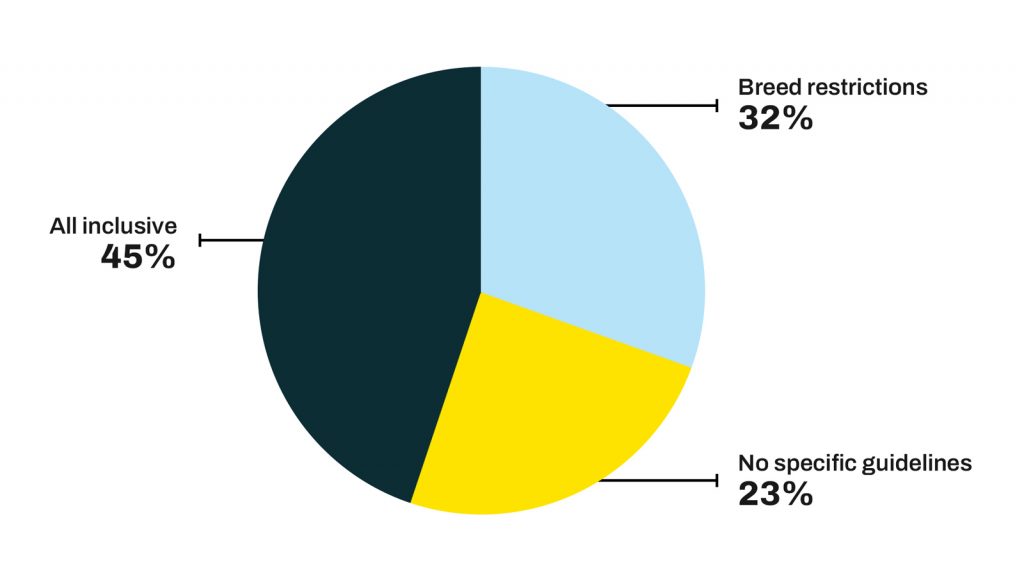
- Only 10% of communities enforce strict breed restrictions, while a notable 45% aim for inclusivity while ensuring everyone’s comfort and safety.
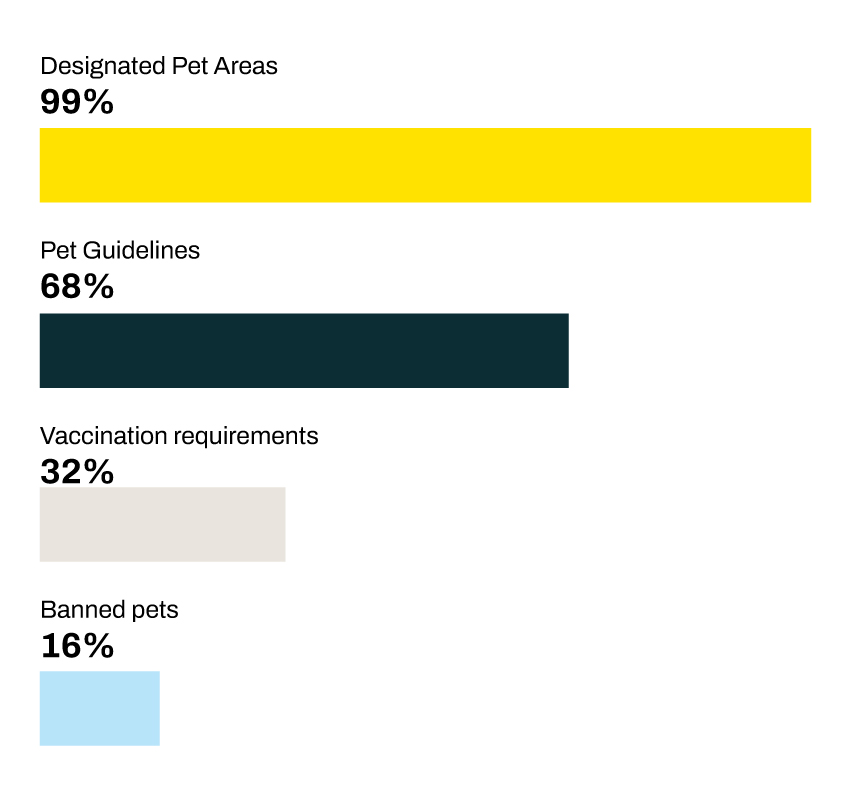
- Nearly all RWAs (99%) maintain designated pet areas meticulously to uphold community standards.
- A significant 68% establish clear guidelines for pet behaviour and owner responsibilities to foster mutual respect.
- 32% of communities create specific zones for pet activities to minimize conflicts, promoting peaceful coexistence.
Over the past year, pet management in gated communities has sparked nationwide debates and protests, from allegations of discrimination against pet owners to serious pet accidents. To understand this issue, we conducted a survey in Mygate communities, revealing significant tensions and diverse perspectives on pet ownership & management.
Community pets often strays, live freely within communities. They sleep, eat, and interact as they please, leading to mixed reactions from residents.
A substantial 80% of Resident Welfare Associations (RWAs) voiced complaints, seeing these pets as sources of conflict between pet owners and non-pet owners. Mini from Mumbai highlighted a common sentiment: “It’s unheard of in other countries—stray dogs in gated communities. Dogs should have owners.”
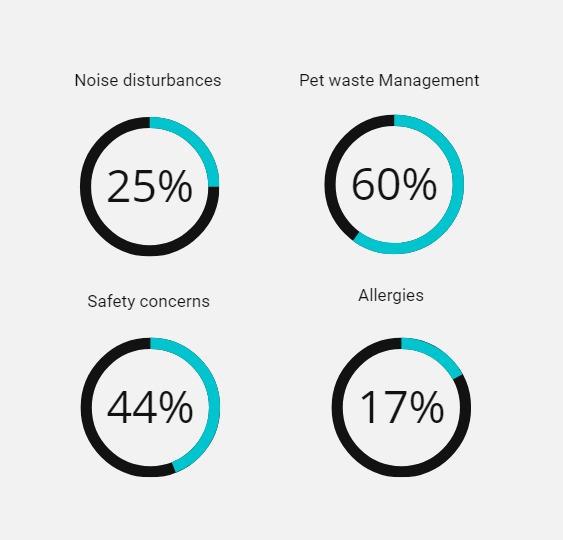
In contrast, indifference toward community pets is prevalent in places like Chennai, although resident-owned pets spark high emotions and divisions. Our survey revealed that 77% of gated communities experience conflicts between pet owners and non-pet owners. Common issues include noise disturbances (25%), pet waste management (60%), safety concerns (44%), and allergies (17%).
Residents like Shahdab from Sarjapura, Bengaluru, face challenges due to a lack of designated pet areas, forcing them to walk pets outside the premises. Souvik Das from Akshayanagar, Bengaluru, shared that despite the community’s pet-neutral stance, some residents object to pets in common areas, leading to frequent disputes.
The type of pets and their breeds also influence conflict frequency. Communities with certain dog breeds often face more disputes, prompting RWAs to implement specific policies. About 10% of communities enforce breed restrictions, while 45% prioritize inclusivity while ensuring safety and comfort. RWAs adopt various strategies, such as maintaining designated pet areas (99%), setting clear pet behaviour guidelines (68%), and enforcing vaccination & health check requirements (32%).
A Noida RWA member emphasized the recurring issue of pet-related accidents. In contrast, a Bengaluru pet committee member highlighted the community’s focus on education and responsible pet ownership over strict breed restrictions, promoting a harmonious environment.
Strategic initiatives by RWAs have shown positive outcomes. Residents appreciate the efforts such as dedicated pet zones to balance the needs of pet owners and non-pet owners, fostering inclusivity and support.
Examples of successful policies include pet registration on Mygate and the vaccination program, which reduced health concerns and enhanced community cohesion.
Effective pet management in gated communities requires a holistic approach, blending empirical data with resident experiences. By understanding conflict’s root causes, implementing inclusive policies, and fostering respect and responsibility, RWAs can create harmonious environments for pets and people. “It’s about creating a community where everyone feels valued, regardless of their pet companions,” noted a Delhi RWA member.
This exploration is crucial amid rising polarized social media debates over pets. Understanding the varied and often positive interactions between pets and humans can inform the creation of pet-friendly solutions that enhance community living for all.